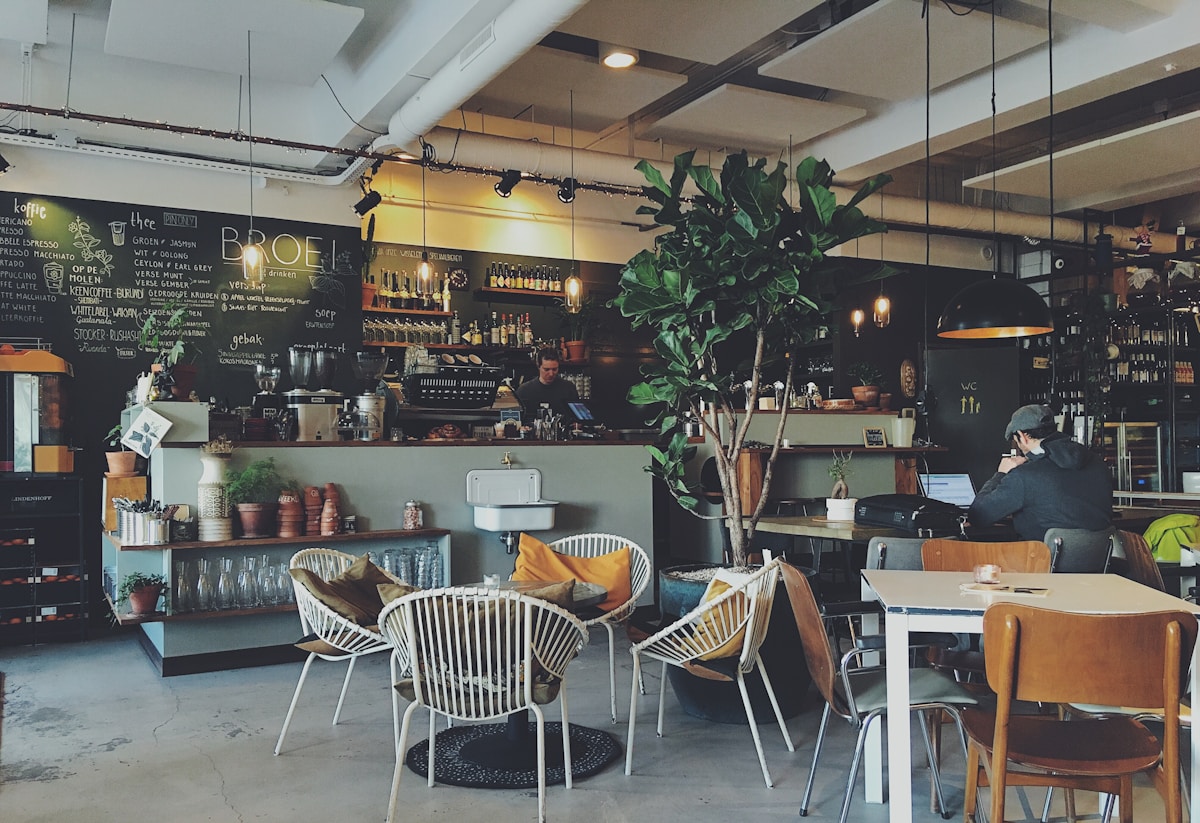
Kaş is a small town primarily oriented toward leisure - diving, boat trips, hiking, and slow eating. Its cafe scene reflects this: there are pleasant, WiFi-equipped cafes in the town centre, but the infrastructure for serious remote work (fast dedicated connections, power outlets at every seat, acoustic control) is limited. That said, working from Kaş is genuinely enjoyable in shoulder season, and the town’s compact size means you’re never far from a usable option.
For the complete digital nomad context, see Kaş digital nomad guide.
Cafe WiFi in Turkey can drop without warning - we carry an Airalo eSIM as a tethering backup for calls and deadlines. Our Turkey SIM and eSIM guide compares the options.
Turkish coffee culture in Kas
Traditional çayhane (tea house) culture in Kas is present but less dominant than in inland cities. The dive tourism that defines the town has created a bilingual, internationally aware hospitality culture where coffee matters alongside tea. Tulip-glass çay still costs ₺15-30 (~$0.45-0.90) and the older tea houses near the market square operate on the traditional model - social, not conducive to laptop work.
Third-wave coffee started reaching Kas around 2022-2023, later than the Aegean resort towns. The main street (Uzun Carsi) now has several cafes with espresso machines and pour-over boards. These are all independent operations - there are no chain cafes (Kahve Dunyasi, Espressolab, Starbucks) in Kas. The absence of chains is consistent with the town’s character: everything here is independent and seasonal.
Filter coffee at the specialty-leaning cafes runs ₺50-90 ($1.50-2.70); Turkish coffee ₺40-70 ($1.20-2.10). The distinction between a traditional çayhane and a modern cafe matters for nomads because only the latter has reliable WiFi and any tolerance for extended table occupation. The working-café culture in Kas is quieter and less pressured than in Bodrum or Marmaris even in peak season - the town itself is calmer, and the cafes reflect this.
Town centre cafes
Main street and backstreet cafes
The Kaş main shopping street (Uzun Çarşı) and the surrounding streets have several cafes - a mix of traditional tea houses and more modern coffee shops. The modern cafes (recognisable by espresso equipment, pour-over boards) are the most practical for working sessions.
What to expect: WiFi speeds 20–70 Mbps in the better-equipped cafes; power outlets at some (not all) seats; air conditioning in summer; no significant seating pressure outside peak hours.
Morning sessions (8-11am): The most productive time in Kas cafes - before the tour groups and diving debrief crowd. Order a coffee (₺60-100, ~$1.80-3), confirm there’s a power outlet near your seat, run a speed test, and you have 2-3 hours of workable time.
Harbour-facing cafes
The cafes directly on the main harbour promenade are pleasant for occasional laptop work but have more seating pressure at midday and higher ambient noise from the tourist traffic. Best for light tasks (email, planning) rather than focused writing or development.
Best use: Late afternoon sessions (4–6pm) when the lunch crowd has cleared and the evening light is on the water.
WiFi and connectivity
| Setting | Typical WiFi | Outlets | Notes |
|---|---|---|---|
| Modern cafe (backstreet) | 30–70 Mbps | Some | Best option |
| Harbour cafe | 15–50 Mbps | Rare | Congested at peak |
| Hotel terrace | 40–100 Mbps | Limited | If hotel has good internet |
| Boutique hotel lobby | 50–150 Mbps | Available | Most reliable |
Turkish SIM as backup: Turkcell 4G LTE in Kas town provides 25-60 Mbps. For video calls or large uploads where cafe WiFi is uncertain, a personal hotspot from a Turkish SIM is essential. Tourist SIM (30 days, 20-40GB): ₺200-350 (~$6-10.50) from official Turkcell stores.
Coverage note: Mobile coverage drops in some of the hiking and beach areas around Kaş (the Lycian Way sections, remote coves). For town-based working, coverage is reliable.
Coworking
Kaş has no formal coworking infrastructure as of 2026. This is consistent with the town’s character and scale. For serious coworking needs, Antalya (200km east) has a proper coworking scene; Kaş is best approached as a working-from-accommodation rather than working-from-coworking destination.
Practical working notes
Summer heat: July–August temperatures (30–33°C) make outdoor seating uncomfortable in the afternoon. Prioritise air-conditioned indoor sections, or work morning sessions (8–11am) on shaded outdoor terraces.
Power: Turkish Type F plugs (European standard). The small size of most Kaş cafes means limited outlet infrastructure - a power bank is a useful backup.
Noise: The harbour area is significantly quieter than resort towns like Gümbet (Bodrum) or Ölüdeniz. Kaş maintains a calmer atmosphere even in peak season; noise-cancelling headphones are less critical here than at larger tourist destinations.
Language: Most cafe staff in Kaş speak reasonable English - the dive tourism has created a bilingual hospitality culture. WiFi password requests and basic work-environment questions are manageable in English.
Daily spend for cafe working
| Session | Cost |
|---|---|
| Morning session (2-3 hrs, 2 coffees) | ₺120-200 (~$3.60-6) |
| Full day (with lunch) | ₺300-500 (~$9-15) |
| Week (5 days, morning sessions) | ₺600-1,000 (~$18-30) |
For the complete remote work picture in Kas including accommodation and visas, see Kaş digital nomad guide.
Quick comparison
| Cafe | Area | WiFi Speed | Price Range | Best For |
|---|---|---|---|---|
| Modern cafes (Uzun Carsi backstreets) | Town centre | 30-70 Mbps | ₺60-100 (~$1.80-3) | Nomads, focus sessions |
| Main street cafes (Uzun Carsi) | Town centre | 30-70 Mbps | ₺55-90 (~$1.65-2.70) | Both |
| Harbour promenade cafes | Harbour | 15-50 Mbps | ₺60-100 (~$1.80-3) | Locals, light tasks |
| Boutique hotel lobbies | Town | 50-150 Mbps | Guest only | Video calls |
| SIM hotspot (Turkcell 4G) | Anywhere | 25-60 Mbps | ₺8-15/day | Deadlines, video calls |