Erzurum Travel Guide 2026: Eastern Anatolia's High-Altitude Historic City
Eastern Turkey's highest city at 1,890m: Çifte Minareli Medrese, Palandöken ski resort, tirit dish and where to stay in historic Erzurum.
Erzurum is the largest city in eastern Anatolia and one of the highest major cities in Turkey, sitting at approximately 1,890m above sea level on a vast plateau ringed by mountains reaching over 3,000m. It is not a city that registers on most international itineraries — yet it holds some of the finest examples of Seljuk and Ilkhanid architecture in the country, a world-class ski resort immediately above the city, and a food tradition that predates the Ottoman period.
The city sits at a historic crossroads between the Caucasus, Persia, and the Anatolian heartland. It was an important Urartian centre, a Byzantine frontier city, a Seljuk capital, and a key stop on the medieval Silk Road. The result is a layered city with significant monuments from multiple eras — and a local culture with a strong sense of identity, built partly by the harsh continental climate (winters can reach -25°C) and partly by the city’s strategic isolation on the plateau.
Top Attractions
Çifte Minareli Medrese: Erzurum’s defining landmark — a 13th-century Seljuk theological school (built approximately 1253) with a monumental portal decorated with intricate stone carving and two towers clad in distinctive turquoise-glazed brick. The double minarets gave the medrese its name (çifte = double) and have become the symbol of the city. The courtyard behind the portal has an unusual two-storey arcade and an octagonal Seljuk tomb (kümbet) at the rear. Entry: free. Open daily, daylight hours. Allow 30–45 minutes.
Yakutiye Medresesi: An Ilkhanid-era medrese built in 1310, now housing the Turkish-Islamic Arts and Ethnography Museum. The carved stone portal is among the finest in eastern Anatolia, with geometric interlacing and stalactite vaulting. Inside: Seljuk and Ilkhanid metalwork, ceramics, and traditional craft objects from the region. Entry: approximately ₺50–80 (as of 2026). Open Tuesday–Sunday 08:00–17:00. Allow 45 minutes.
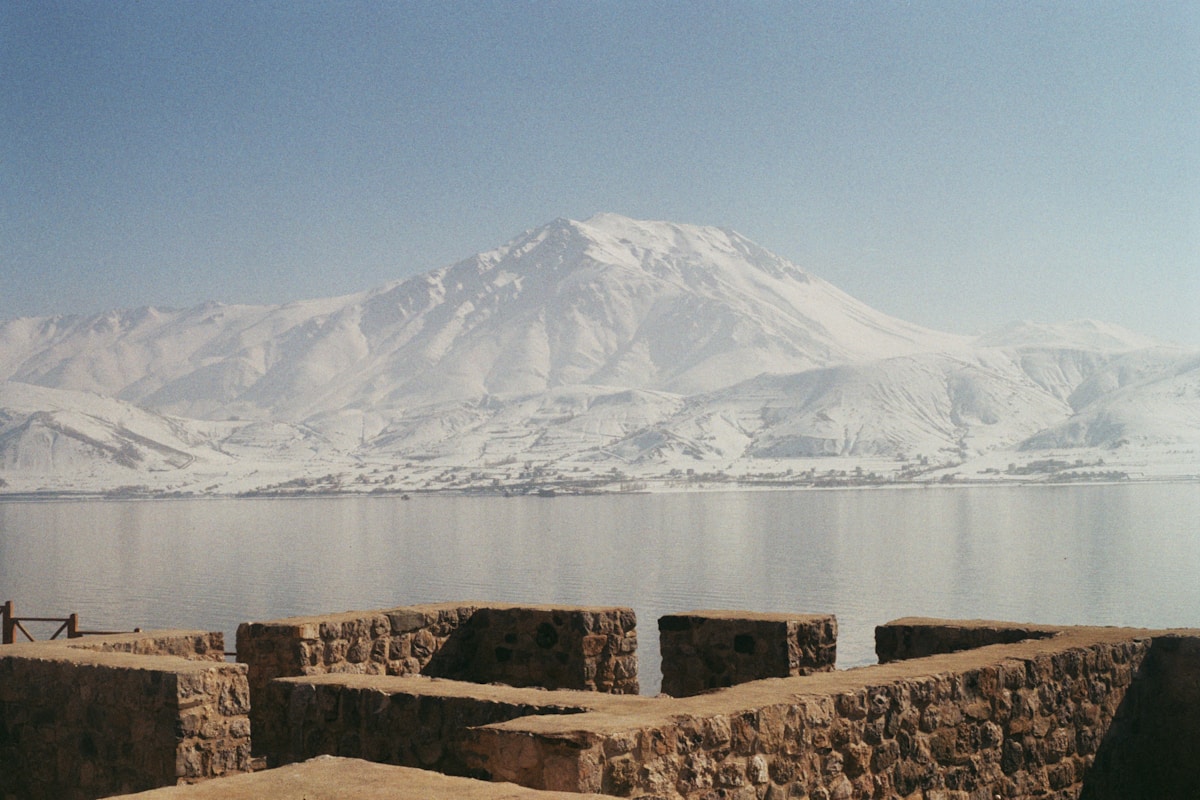
Erzurum Kalesi (Castle): The hilltop fortress above the city centre, with origins in the Byzantine period and subsequent Ottoman modifications. The clock tower (saat kulesi) at the centre of the battlements is the most recognisable element of the city skyline. The views from the walls across the plateau and toward the Palandöken massif are the best in the city. Entry: free. Open daily.
Lala Mustafa Paşa Mosque: The largest Ottoman mosque in Erzurum, commissioned in 1563 by Lala Mustafa Paşa. Single-minaret design, spacious courtyard, and finely proportioned interior dome. Located in the city centre near the bazaar. Entry: free (modest dress required).
Erzurum Bazaar (Kapalı Çarşı and Taş Han): The covered bazaar complex near the mosque — Erzurum is known for its oltu taşı (jet stone) jewellery, a black semi-precious stone found only in the Oltu district. The Taş Han (Stone Inn) is a 17th-century caravanserai now serving as a craft market and tea house; worth a visit for the architecture as much as the shopping.
Palandöken Ski Resort: Located immediately above Erzurum on the slopes of Mount Palandöken, the resort rises from a base of 2,200m to 3,176m and offers approximately 45km of pistes. Lift passes cost approximately ₺1,000–1,400 per day as of 2026. Even in summer, the mountain road offers dramatic views over the city and plateau. Browse tours and activities in Eastern Turkey on GetYourGuide for guided city tours of the Çifte Minareli Medrese and day trips to Doğubayazıt or Kars.
Where to Stay
Budget (₺600–1,500/night): Small hotels and pensions around Cumhuriyet Caddesi and near the bazaar district. Most include breakfast; rooms are functional and clean. Options to look for include the Hotel Kral and various guesthouses near the university district — expect simple en-suite rooms with reliable heating (essential in winter).
Mid-range (₺1,500–3,500/night): The Büyük Erzurum Oteli (₺1,800–3,000, city centre location, established hotel with restaurant and parking) and Best Western Plus Hotel Erzurum (₺2,000–3,500, modern rooms, central, breakfast included, reliable for business travellers) are the main options. The Dedeman Erzurum in the city (separate from the Palandöken ski lodge) runs approximately ₺2,500–4,500 and is the most reliably comfortable mid-range property.
Mountain hotels (Palandöken resort, ski season): Dedeman Palandöken Ski Lodge (₺5,500–9,000/night, ski-in/ski-out, pool, spa) and Holiday Inn Erzurum (₺3,500–5,500, shuttle access to lifts) are the main resort-area options. Staying on the mountain is worth it for ski trips but adds travel time to the city sights.
Tip: Erzurum has limited hotel supply during the Universiade ski events (when held) and during Turkish national school holiday weeks in January–February. Book mountain accommodation 2–3 months ahead for peak ski season weekends.
Search hotels in Erzurum on Booking.com
Food and Restaurants
Erzurum’s food culture is among the most distinctive in Turkey. The city’s cuisine evolved in isolation on the high plateau, drawing on the region’s lamb-herding tradition and the cold-climate need for substantial, warming food.
Cağ kebabı: The original horizontal-spit kebab — lamb marinated and cooked on a rotating skewer, carved horizontally and wrapped in lavaş bread with tomato and onion. Unlike vertical döner (which Erzurum locals claim derives from cağ), the lamb is cooked more slowly over lower heat, producing a juicier, less charred result. The definitive place to eat it is at Salon Asya (city centre, mains approximately ₺200–350 as of 2026) or Güzelyurt Restaurant — both long-established lokanta-style restaurants popular with locals. Budget ₺250–400 per person for a full cağ meal with bread and ayran.
Tirit: Erzurum’s other signature dish — layers of torn bread soaked in rich lamb broth, topped with shredded lamb, poached egg, and browned butter with dried mint. A deeply restorative winter dish. Available at traditional lokantas; approximately ₺150–200 per portion as of 2026.
Kadayıf dolması: Not to be confused with the widespread shredded-wheat pastry dessert — Erzurum’s version is a savoury-sweet preparation of kadayıf (shredded wheat) wrapped around walnut filling, fried, and served with kaymak (clotted cream) and honey. A uniquely regional sweet. Found at patisseries and bakeries in the bazaar district.
Peynirli su böreği: Water-boiled pastry with white cheese — a lighter breakfast option available at börekçi shops from early morning. Approximately ₺60–100 as of 2026 for a portion.
Budget eating: The university district and bazaar streets have straightforward lokantas offering set-price lunch menus (₺120–200) — soup, rice, a meat dish, and bread. Erzurum is notably less expensive for food than Istanbul or the coastal cities.
Getting There
By air: Erzurum Havalimanı (ERZ) is approximately 5km from the city centre. Turkish Airlines, Pegasus, and Anadolujet fly daily from Istanbul (2–2.5 hours). Return fares approximately ₺1,500–5,000 depending on advance booking. From Ankara: approximately 1.5 hours. Taxis from the airport to the city centre cost approximately ₺150–250 as of 2026.
By train (Eastern Express): One of Turkey’s most scenic rail journeys — the Doğu Ekspresi departs Ankara and reaches Erzurum in approximately 16–17 hours. Seat tickets cost approximately ₺500–700; sleeper compartments are approximately ₺900–1,200 as of 2026. The journey passes through the central Anatolian plateau, descends into the Euphrates valley at Erzincan, then climbs through dramatic mountain terrain before reaching Erzurum at approximately 1,890m. Book through ebilet.tcdd.gov.tr — tickets sell out weeks ahead in winter.
By bus: Long-distance coaches (Metro Turizm, Ulusoy) connect Istanbul to Erzurum in approximately 18–20 hours, and Ankara in approximately 11–12 hours. Erzurum otogar (bus station) is in the city centre. Approximately ₺400–800 from Istanbul as of 2026. Practical for budget travellers with flexible schedules.
By car: The D-100 highway and E80 route through the Erzincan valley connect Erzurum to western Turkey. Journey from Ankara is approximately 9–10 hours. Driving in winter requires winter tyres — conditions on the high plateau can be severe in January and February.
Getting Around
The city centre is compact and walkable — the Çifte Minareli Medrese, bazaar, castle, and mosque are all within 10–15 minutes on foot of each other. Taxis are inexpensive (₺80–150 for cross-city trips) and widely available. To Palandöken resort: taxi approximately ₺150–250 or hotel shuttle if staying mountain-side.
Best Time to Visit
June to September: The recommended window for general sightseeing. The high altitude keeps temperatures comfortable (18–28°C day) even in midsummer when the surrounding plateau turns golden. Hiking on the Palandöken slopes (without snow) reveals good views; the Tortum waterfall (90km north) is worth a day trip.
December to March: Ski season. Palandöken typically receives significant snowfall from December through April, with January and February offering the most reliable deep-snow conditions. The city itself is dramatically cold (down to -15°C or lower on hard nights) but fully functional.
Avoid: Late October to November — the city is raw and cold without the compensating beauty of proper winter snow. The transition season is the least rewarding time to visit.
Day Trips from Erzurum
Tortum Waterfall and Lake (90km north): A 48m waterfall and the glacially formed Tortum Lake, surrounded by volcanic cliffs and forested hillsides. Allow a full day; accessible by car (about 1.5 hours) or with a local tour.
Ishak Paşa Sarayı, Doğubayazıt (190km southeast): A remarkable 18th-century Ottoman-Persian palace on a cliff above the town of Doğubayazıt, with Mount Ararat (5,137m) visible in the background in clear weather. One of eastern Turkey’s most dramatic sites. Entry: approximately ₺150–200 (as of 2026). Accessible by bus or car; a long day trip from Erzurum.
Kars and Ani (220km east): The Eastern Express terminus of Kars is reachable in about 3 hours by car or bus. The Ani ruins — the ruined medieval Armenian capital of the Bagratid dynasty, abandoned in the 13th century — are 45km east of Kars. Ani is one of the most significant archaeological sites in eastern Turkey. Entry: approximately ₺100–150 (as of 2026).
Ilıca Kaplıcaları (thermal springs, 15km from city): Natural thermal pools fed by geothermal springs — popular with local families and good for tired legs after skiing. Simple bathing facilities; inexpensive entry.
Book an experience
Top experiences in Erzurum
Explore the best tours and activities in Erzurum, with instant confirmation and free cancellation on most bookings.
Find hotels in Erzurum
Explore accommodation in Erzurum →We earn a small commission at no cost to you.