Diyarbakır Travel Guide: City Walls, Old City and Cuisine
Diyarbakır travel guide: UNESCO basalt city walls, the Great Mosque, Tigris valley, and southeastern Turkey's most atmospheric old city.
Guides for Diyarbakir
Diyarbakır is the unofficial capital of Turkey’s predominantly Kurdish southeast — a city built from black basalt, defined by its extraordinary ancient walls, and carrying a cultural history that stretches back to Hurrian, Assyrian, Roman, Byzantine, Arab, and Ottoman occupation. The UNESCO World Heritage-listed city walls and Hevsel Gardens (inscribed 2015) are the defining sight, but the old city within the walls has a depth of character — medieval mosques, Armenian churches, traditional stone houses, and a food culture unique in Turkey — that rewards the travellers who make the journey.
Browse Diyarbakır tours and city wall walks on GetYourGuide to book guided visits, cultural experiences, and day trips through the old city.
The city walls
The basalt fortifications of Diyarbakır are the defining sight of the city and one of the most impressive ancient military engineering works in the world. Built in the 4th century CE during the reign of Roman Emperor Constantius II, extended by Byzantine and later rulers, the walls run for 5.5km around the old city in near-complete condition.
Scale: The walls stand 10–12m high in most sections, with a total of 82 towers. The basalt stone — black, volcanic, quarried locally — gives the circuit its distinctive character, unlike anything in western Turkey.
Walking the walls: The full circuit on foot takes 2.5–3 hours. The southern section above the Tigris River valley is the most dramatic — the views across the Hevsel Gardens (ancient irrigated allotments within the river bend, also UNESCO listed) to the Tigris and the Anatolian plain beyond are extraordinary. Early morning is best for avoiding heat in July–August.
Entry: The walls are freely accessible at multiple points. The Dağkapı Gate (north) is the main tourist entry; the Mardin Kapı (south) and Urfa Kapı (west) are other options. No admission fee for the walls themselves.
The Diyarbakır Fortress (İçkale): The inner citadel within the main walls, in the northeastern corner. Houses the Hasan Paşa Camii mosque, an archaeological park, and views over the city. Entry approximately ₺50 (as of 2026; verify locally).
The old city — key sites
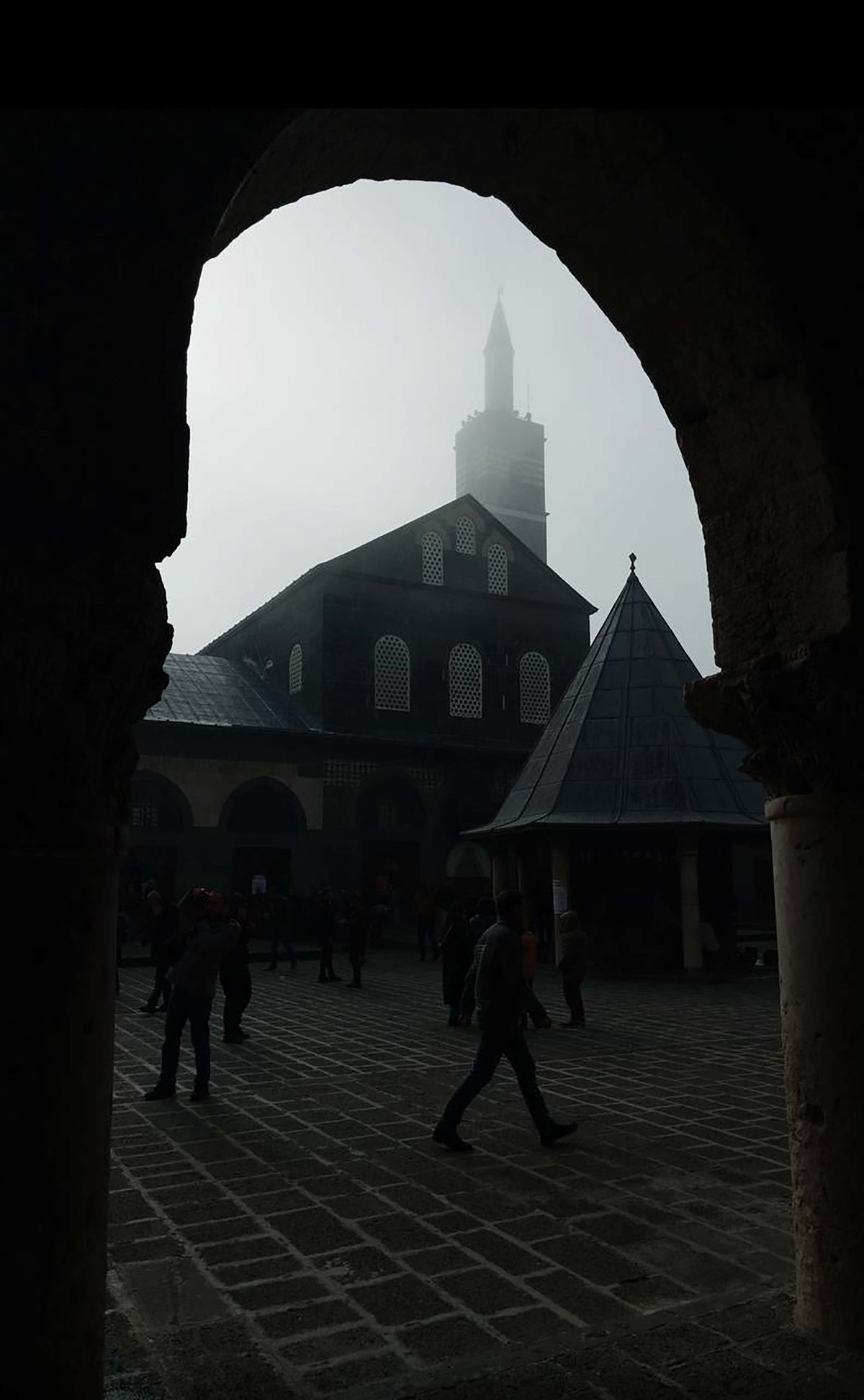
Ulu Cami (Great Mosque): Built in 1091–1092 CE on the foundations of a Byzantine Cathedral of St Thomas, the Ulu Cami is one of the oldest mosques in Anatolia and one of the most important in Islam’s early expansion into Anatolia. The courtyard columns were reused from the earlier cathedral and Roman structures; the architectural mix of early Islamic and late antique elements is unusual and historically significant. Entry: free (mosque open to visitors outside prayer times; dress appropriately).
Surp Giragos Armenian Church: The largest Armenian church in the Middle East outside Armenia itself — a 16th-century structure that served the large Armenian Christian community of Diyarbakır for centuries. Severely damaged in 2015–2016, it has been partially restored and is visitable. The scale of the building and the story of the community who built it give it considerable weight. Entry: free or by donation.
Cahit Sıtkı Tarancı Museum: The former home of the Diyarbakır-born Turkish poet Cahit Sıtkı Tarancı (1910–1956), restored as a house museum in a traditional basalt courtyard house. One of the best examples of traditional Diyarbakır domestic architecture — the basalt stone walls, the deep courtyard with garden, and the wooden upper rooms show how elite families lived within the old city. Entry approximately ₺30 (verify locally).
The bazaar streets: The working market between the Ulu Cami and the Dağkapı Gate concentrates the old city’s commercial life — copperware workshops, spice sellers, textile merchants, tea houses, and the lokantas serving traditional dishes. The Bedesten (covered market) dates from the 15th century. Worth an hour of wandering without a specific destination.
Keçi Burcu (Goat Bastion): The largest single tower on the city walls, at the southwestern corner where the Mardin Kapı section meets the southern walls. The view from the top (when accessible) covers the Tigris valley and the full southern sweep of the fortifications.
Food — what to eat in Diyarbakır
Diyarbakır has a food culture that is distinctively southeastern — shaped by Kurdish culinary traditions, the Tigris-Euphrates agricultural richness, and centuries of cultural exchange.
Kaburga dolması: Whole stuffed lamb ribs, slow-cooked — a festive dish traditionally prepared for special occasions, now available in specialist restaurants. Rich, labour-intensive, and unlike anything in western Turkey.
Ciğer kebabı (liver kebab): Diyarbakır’s most famous street food — thin-sliced lamb liver, grilled quickly over charcoal and served with flatbread, raw onion, and parsley. The bazaar area has multiple specialist stalls. Approximately ₺80–150/portion.
Diyarbakır karpuzu: The local watermelons of Diyarbakır are nationally famous — grown in the irrigated Hevsel Gardens and the river valley, they reach extraordinary sizes (some varieties 30–60kg) and are praised for sweetness. In season (late summer), they are sold from carts throughout the old city.
Bumbar: Stuffed sheep intestine — an offal dish for the adventurous, but deeply embedded in local food culture. Available in traditional lokantas, not widely understood outside the southeast.
Tea houses (çay ocağı): The old city has a tea house culture worth experiencing — stone-walled rooms with low seating, çay at ₺5–10 a glass, mostly male clientele in traditional establishments, and a pace of life that reflects the pre-tourist old city. The area around the Ulu Cami has the best concentration.
Practical information
Getting around: The old city is walkable — the full wall circuit is 5.5km; the main monuments are within 20 minutes of each other on foot. Taxis between the old city and the airport (5km) cost approximately ₺80–120. The otogar (bus station) is outside the walls; taxis from centre approximately ₺40–70.
Connections: Mardin is 95km southeast — 1.5 hours by bus (₺60–90), a common combination for the region. Şanlıurfa (Urfa) is 185km southwest — 2.5 hours by bus. Both cities are best visited as part of a southeastern Turkey circuit rather than as single destinations.
Best season: April–May (spring) and September–October (autumn) are the most comfortable. Summer (June–August) is hot — 35–40°C is normal in July–August; the wall walk in midday heat is genuinely tiring. Winter (December–February) can bring cold rain and occasional snow; the old city in winter light has a different character.
Currency and payment: Turkish lira (₺). Card acceptance has improved in the old city but cash remains important for street food, tea houses, and smaller shops. ATMs in the modern city outside the walls are more reliable than inside.
Where to stay
The old city within the basalt walls is the most atmospheric base. Boutique hotels in restored traditional basalt houses are the best accommodation option — the architectural character is specific to Diyarbakır and not available elsewhere. The modern city outside the walls has larger chain hotels with standard facilities and easier car access.
Where to stay in Diyarbakır — hotel picks for every budget
Budget: Guesthouses and basic hotels from approximately ₺450–800/night. Mid-range: 4-star boutiques and hotel chains from approximately ₺900–2,500/night. Upscale: Full-service 5-star properties from approximately ₺2,500–5,000+/night.
Day trips from Diyarbakır
Mardin (95km): The honey-coloured limestone old city of Mardin sits on a ridge above the Mesopotamian plain — one of Turkey’s most beautiful historic urban landscapes. The Syrian Orthodox Church, the Zinciriye Medresesi, and the rooftop views over the plain make it a strong half-day to full-day combination. Bus: 1.5 hours.
Hasankeyf (130km): The ancient cliff city above the Batman River, partially submerged by the Ilısu Dam reservoir since 2020. The remains of the medieval citadel, cave dwellings, and the Eski Köprü bridge piers are still visible and visitable from the new town. A complicated and historically significant landscape. Bus via Batman: 2.5–3 hours.
Deyrulzafaran Monastery (Mardin, 8km): The 4th–5th century Syriac Orthodox monastery outside Mardin is one of the oldest continuously operating Christian monasteries in the world. Active monastic community; guided visits available. Can be combined with a Mardin day trip.
For southeastern Turkey context, see where to stay in Mardin and where to stay in Şanlıurfa.
Book an experience
Top experiences in Diyarbakir
Explore the best tours and activities in Diyarbakir, with instant confirmation and free cancellation on most bookings.
Find hotels in Diyarbakir
Explore accommodation in Diyarbakir →We earn a small commission at no cost to you.